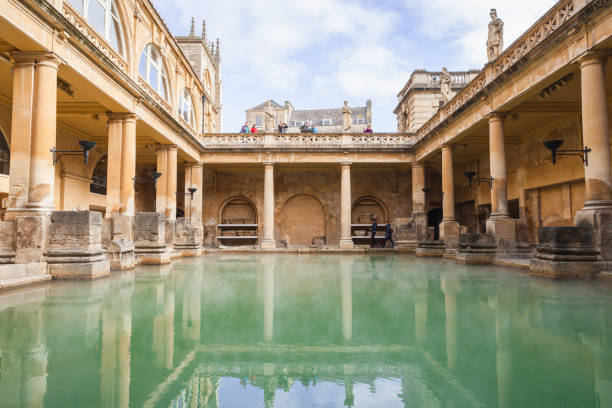
Roman Baths
The most prominent historical landmark in England, historic Roman baths dating back to the 1st century AD, surrounded by temple remains and wonderfully preserved statues.

A stunning Roman-Georgian city in southwest England famous for its ancient Roman baths and elegant Georgian architecture built from creamy stone. A UNESCO World Heritage Site attracting millions of tourists annually for wellness and culture.
From May to October. Temperatures range between 14-21°C. Spring and summer are ideal for exploring the streets and visiting the baths and gardens.
The most prominent historical landmark in England, historic Roman baths dating back to the 1st century AD, surrounded by temple remains and wonderfully preserved statues.
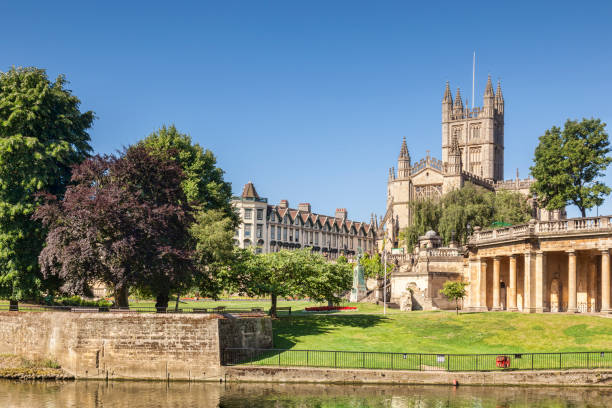
A magnificent late Gothic church dating back to the 15th century, featuring a carved facade, a stone fan vault ceiling, and a large west window with stained glass.
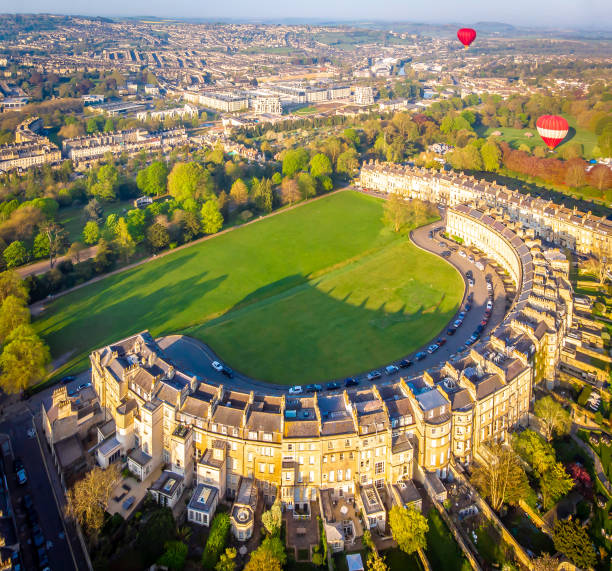
A unique Georgian architectural masterpiece, a row of thirty curved houses built from golden creamy stone, considered a unique example of Georgian architecture in the world.
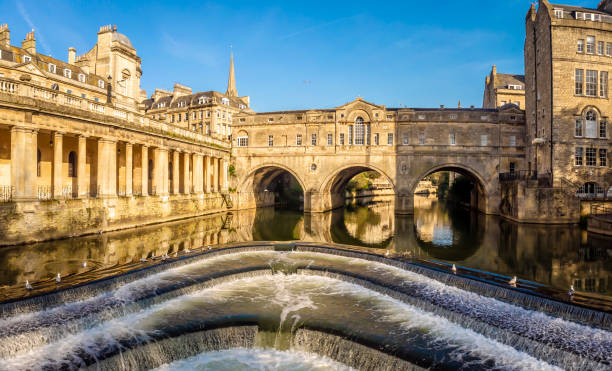
The bridge was built in 1774 over the River Avon and is inspired by famous bridges in Italy such as the Ponte Vecchio in Florence.
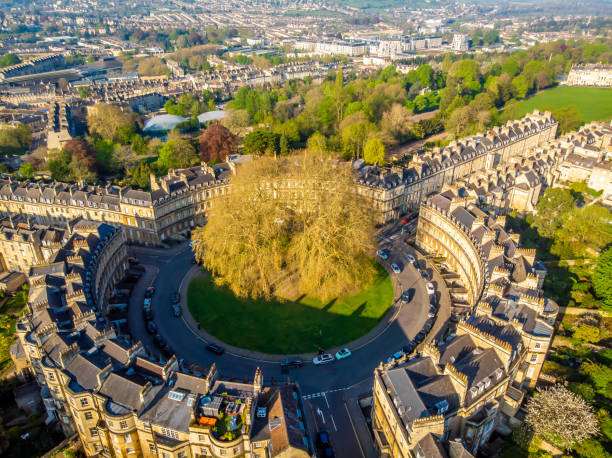
It consists of a massive circular ring of harmonious Georgian houses surrounding a central green courtyard with giant trees in the middle.
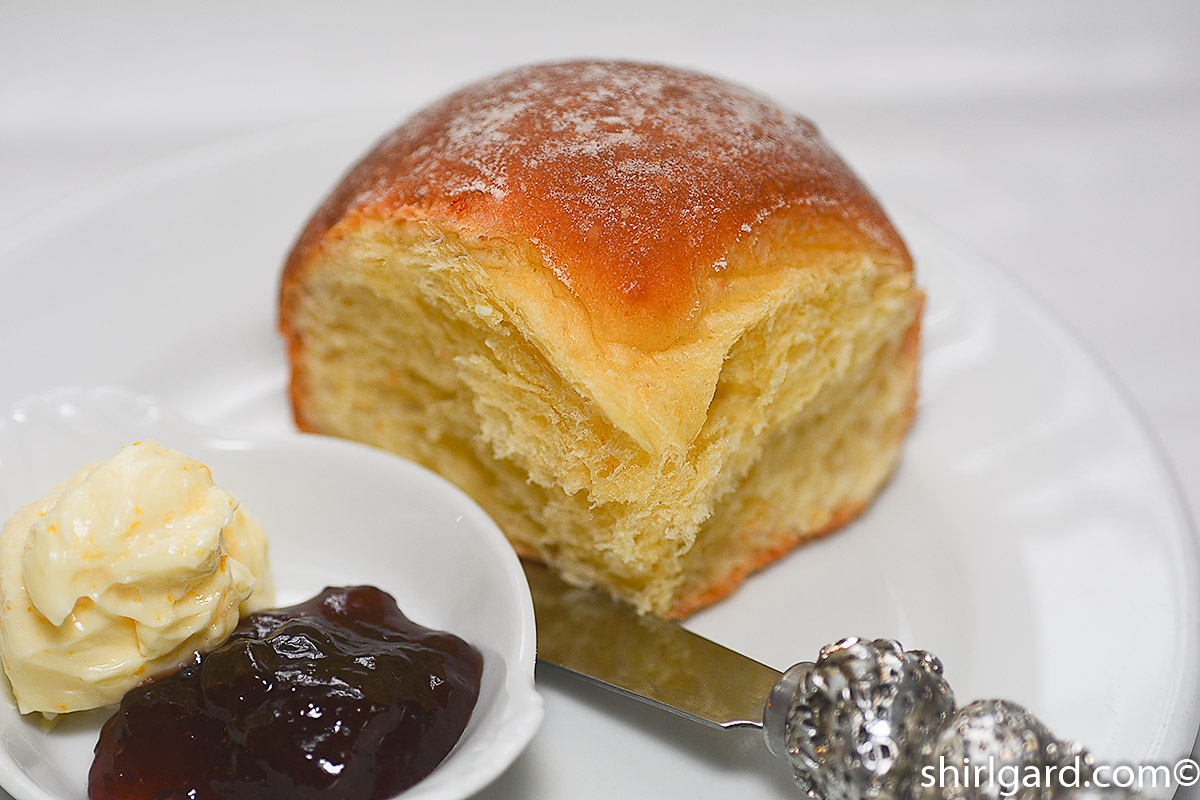
A delicious, rich, and soft bread invented by baker Sally Lunn in Bath in the 18th century, served with butter or cream cheese.
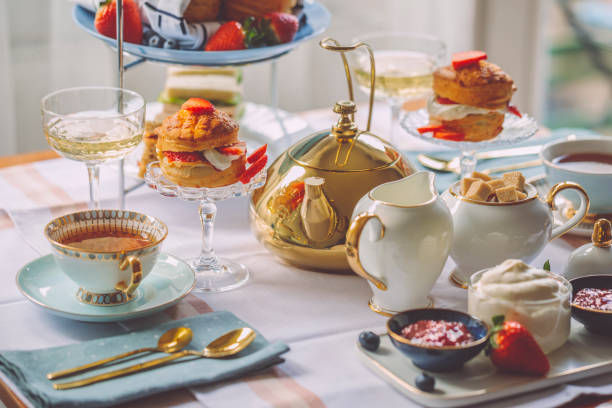
A well-established English tradition that includes warm tea with scones filled with cream and jam, served in luxury hotels and tea houses.

The most famous national dish in England - fried fish in a light crispy batter served with thick-cut chips and tartar sauce, an icon of traditional English food.

Manchester and the northern regions are famous for their roasted or oven-baked meat pies with their large size and rich fillings (such as beef with onions or steak and ale), served with mashed potatoes and rich gravy.
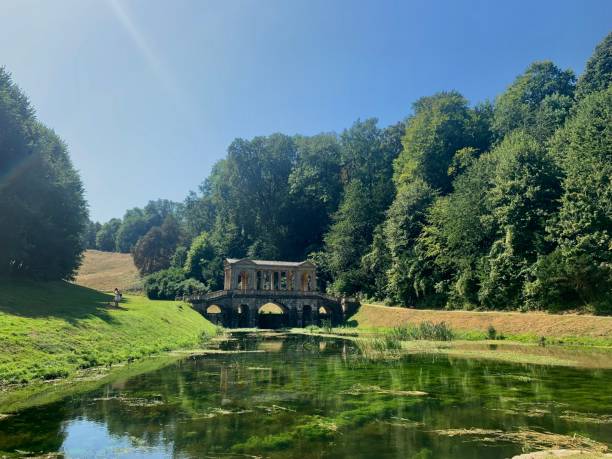
Famous for its magnificent Palladian bridge, which is one of only four bridges of its kind in the world.
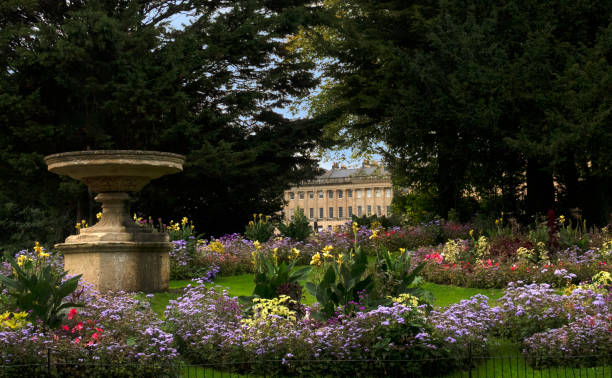
One of the oldest and most famous Victorian gardens in the city of Bath, characterized by its wide green spaces and direct views of the historic "Royal Crescent" building.
.jpg)
Relax in Britain's only natural hot springs with warm groundwater on the surface with stunning panoramic views of the historic city of Bath.
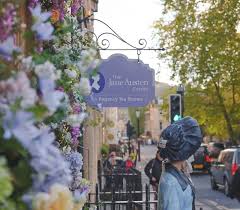
Walk in the footsteps of the famous British novelist Jane Austen in Bath, where she lived and wrote some of her masterpieces such as Persuasion and Emma.
From May to October. Temperatures range between 14-21°C. Spring and summer are ideal for exploring the streets and visiting the baths and gardens.
Roman Baths, Bath Abbey, Royal Crescent, Pulteney Bridge, and The Circus
Sally Lunn Bun, Afternoon Tea with Scones, Fish and Chips, and Northern Meat and Potato Pie
Prior Park and Royal Victoria Park
Thermae Bath Spa and Jane Austen Tour